Understanding the Microsoft Computer Outage Caused by an Incompatible Cybersecurity Update: What Happened?
Overview of the Outage
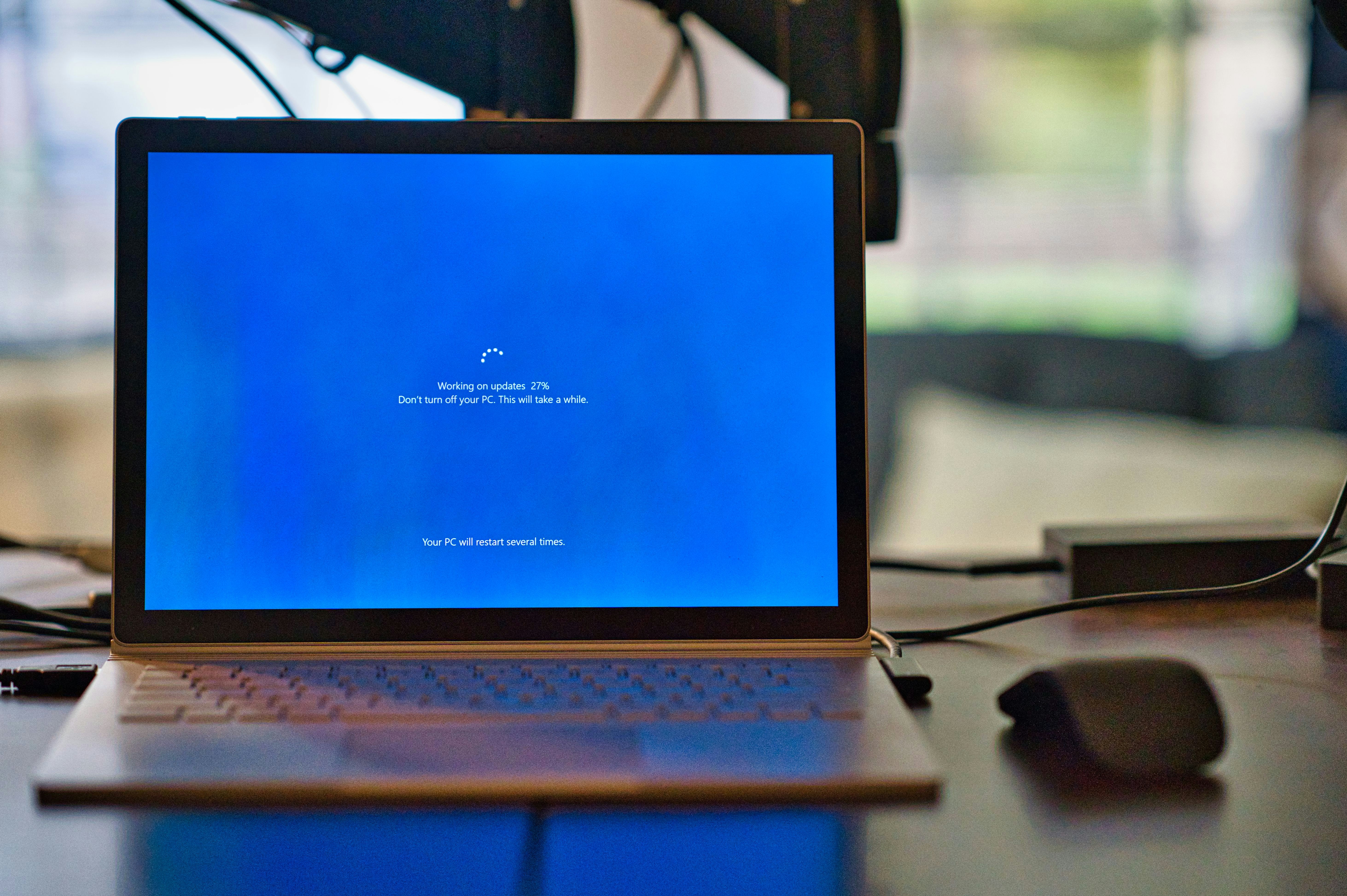
The recent Microsoft computer outage, primarily triggered by an incompatible cybersecurity update, raised significant concerns among users and businesses worldwide. This unprecedented incident began to unfold on [insert specific date], when numerous users began reporting disruptions in their systems, primarily related to Windows operating environments. The ripple effects of this outage quickly became evident, as it affected not only individual users but also numerous enterprises reliant on Microsoft platforms for their day-to-day operations.
Initially, users recognized issues while attempting to install the latest update from Microsoft, which was intended to enhance system security. Unfortunately, the update led to unexpected malfunctions, crippling various critical functions within the operating systems. Reports circulated about devices exhibiting symptoms such as failure to boot, system crashes, and diminished performance. These obstacles rendered many users unable to complete essential tasks, resulting in significant frustration across the board.
<pin acknowledged="" addressed="" alarm,="" and="" approach="" as="" assured="" being="" causes="" channels.="" committed="" communication="" company="" detailed="" developments="" difficulties="" furthermore,="" helped="" information="" investigating="" issues="" malfunction.="" microsoft="" necessary="" of="" official="" outage,="" p="" proactive="" process="" promptly="" providing="" reassurance="" regarding="" releasing="" resolution="" situation="" some="" temper="" that="" the="" they="" this="" through="" to="" treated="" unfolded.="" urgency.
Within this context, it is crucial to recognize the broader implications for Microsoft. This incident not only highlighted potential vulnerabilities within its update processes but also raised questions about the impact on user trust and operational efficiency. By examining the timeline of events and the effects on affected systems, a more comprehensive understanding of this incident and its potential repercussions can be gleaned, setting the stage for further analysis in the following sections.
Cause of the Outage: Incompatible Cybersecurity Update
The recent outage experienced by Microsoft services can be traced back to an incompatible cybersecurity update that was rolled out as part of the company’s routine software enhancements. This update, designed to bolster security against evolving threats, inadvertently introduced compatibility issues with certain underlying systems. The complexities associated with software updates often arise from the intricate interactions between various components within an operating environment, particularly when updates are applied indiscriminately across diverse systems.
One critical technical aspect contributing to the failure was the introduction of new security protocols within the update. These protocols altered the way certain system components communicated with each other, leading to failures in services reliant on these processes. For instance, legacy systems or third-party applications may not have been adequately prepared to handle the changes, resulting in significant disruption. The update potentially overlooked the dependencies that existed between various systems and applications, highlighting the necessity for comprehensive testing prior to deployment.
Moreover, the process for testing updates, while robust, sometimes cannot capture every possible scenario due to the sheer vastness of the environments in which Microsoft products operate. This incident exemplifies the ongoing challenge that software developers face in maintaining system integrity while simultaneously enhancing security features. It is not uncommon for organizations to encounter disruptions following updates, particularly when addressing vulnerabilities in an agile cybersecurity landscape. The possibility of failure underscores the complexity of software development; balancing immediate security improvements with the reliability of existing systems is an intricate endeavor.
To mitigate future occurrences, organizations must prioritize thorough compatibility assessments and adopt phased rollout strategies that can help identify potential issues before they impact a wider user base. The lessons learned from this incident are essential for informing future practices in software update management.
Microsoft’s Response and Mitigation Efforts
In the wake of the significant computer outage caused by the incompatible cybersecurity update, Microsoft reacted swiftly to manage the crisis and mitigate its effects on users. The organization employed a multifaceted approach to restore services while keeping customers informed throughout the ordeal. Understanding the urgency of the situation, Microsoft initiated an emergency response plan involving technical teams that worked around the clock to diagnose the problem and develop a resolution.
One of the key elements of Microsoft’s response was transparent communication. They utilized various channels, including their official blog, social media platforms, and direct customer service notifications, to keep users apprised of the situation. Regular updates were issued to inform users about the progress made in addressing the issue, providing reassurance that the company was actively pursuing a solution. This communication strategy not only aimed to alleviate user frustrations but also to maintain customer trust—a vital component in times of crisis.
Alongside these communication efforts, Microsoft was diligent in rolling out fixes to restore functionality across its software platforms. The technical teams identified specific vulnerabilities associated with the update and promptly developed patches to rectify them. These updates were deployed systematically to ensure a secure and stable reintegration of services. Furthermore, the company stressed the importance of feedback collection from affected users as part of its ongoing improvement efforts, thus showcasing their commitment to enhancing both product reliability and customer satisfaction.
From this incident, Microsoft gleaned valuable lessons that extend beyond technical fixes. Organizations typically manage software-related crises by implementing robust incident response frameworks that prioritize communication, prompt action, and thorough post-incident analysis. By reviewing the outage’s trajectory and outcomes, Microsoft aimed to bolster its preparedness for any similar challenges in the future.
Implications for Users and Future Precautions
The recent Microsoft computer outage, instigated by an incompatible cybersecurity update, brings significant implications for users and organizations relying heavily on Microsoft’s systems. Firstly, this incident raises questions regarding user trust in Microsoft’s ability to deliver consistent and uninterrupted services. When a key infrastructure experiences such a malfunction, it can lead users to reconsider their loyalty to the platform and seek more reliable alternatives. As organizations increasingly depend on Microsoft for critical operations, ensuring continuous functionality has become paramount for user confidence.
Moreover, this event highlights the inherent challenges of balancing cybersecurity with system compatibility. As the digital landscape evolves, organizations must adopt robust cybersecurity measures. However, these updates must be compatible with existing systems to prevent adverse effects, such as outages. The challenge lies in mitigating risks without compromising operational stability, which needs careful planning and testing before rollout. Tech companies can learn valuable lessons from this incident, emphasizing the importance of conducting thorough compatibility assessments and engaging in transparent communication with users regarding updates and potential impacts.
For users aiming to safeguard themselves against similar incidents in the future, several proactive measures can be implemented. Regular system backups are essential; they ensure that users can recover lost data or revert to previous stable versions amidst outages, minimizing disruption. Additionally, practicing diligent update management can further protect users. By monitoring announcements from software providers and strategically rolling out updates, users often can preemptively avoid the pitfalls of compatibility issues. Overall, this incident serves as a reminder for both users and organizations to prioritize careful planning in their tech ecosystems, maintaining a vigilant stance on system security and operational continuity.