Understanding eSIM: What It Is, How to Use It on Your Phone, and Its Benefits
What is eSIM?
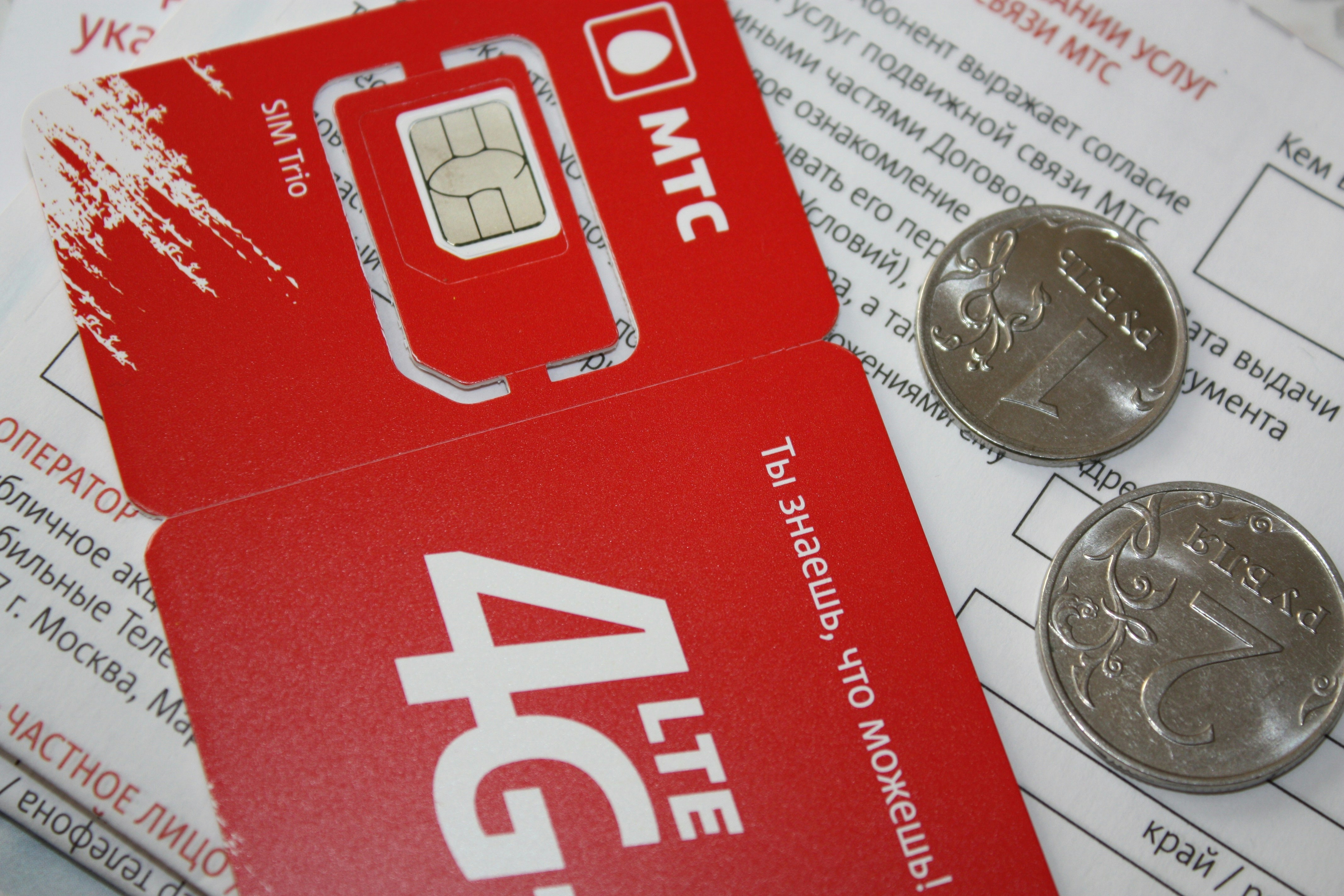
An eSIM, or embedded SIM, represents a significant evolution in mobile communication technology. Unlike traditional SIM cards, which are removable and physically inserted into devices, eSIM technology integrates the SIM functionality directly into the device’s hardware. This innovation allows for a more streamlined design and greater flexibility for manufacturers and users alike. The embedded chip is remotely programmable, allowing users to switch carriers without needing to replace the SIM card physically.
The development of eSIM technology stems from the need for a more efficient, reliable, and adaptable approach to mobile connectivity. Traditional SIM cards have been the standard since their introduction in the early 1990s, but as mobile technology has advanced, so has the demand for solutions that support the growing complexity of network services. eSIMs facilitate the need for multiple network profiles on a single device, enabling users to manage various mobile plans more conveniently.
Mobile network operators play a crucial role in the provisioning of eSIMs. Unlike with traditional SIM cards, where a physical transfer is necessary, eSIMs can be activated remotely. This process typically involves scanning a QR code or entering an activation code provided by the carrier, significantly reducing the time and effort involved in changing networks. This shift has positive implications for international travelers, who can easily switch to local carriers without incurring high roaming costs.
The growing adoption of eSIM technology has been fueled by advancements in smartphones, tablets, and wearables, as well as a global push toward more sustainable practices in the telecommunications industry. The transition from physical SIM cards to eSIMs marks a pivotal step in modernizing mobile connectivity, shaping the landscape of personal and business communications for the better.
How to Use eSIM on Your Phone
Using eSIM technology on your smartphone involves a straightforward process that enables you to benefit from the convenience of embedded SIM functionality. First, it is essential to ensure that your device is compatible with eSIM technology. Most modern smartphones, including various models from Apple, Samsung, and Google, support eSIM functionalities. For a complete list, refer to your device’s specifications or the manufacturer’s website.
To activate an eSIM, you will need to obtain an eSIM activation card or a QR code from your mobile carrier. This typically involves contacting your carrier’s customer service or visiting a local store. Some carriers might also provide a digital eSIM option through their apps. Once you possess the necessary code or card, you can begin the activation process.
Next, navigate to the settings on your smartphone. For iPhone users, go to Settings > Cellular > Add Cellular Plan. Here, you can scan the QR code provided by your carrier or input the details manually if needed. Android users will find the option under Settings > Network & Internet > Mobile Network > Add Carrier. After scanning the QR code, follow the prompts to complete the setup.
Once your eSIM is activated, managing multiple eSIM profiles becomes straightforward. You can switch between different plans if needed, allowing for flexibility in data usage, especially when traveling. Simply return to your cellular settings to select the profile you want to use.
Despite the ease of setup, some users may encounter issues such as network connectivity problems or failure in activating the eSIM. Checking for software updates, restarting the device, or contacting the carrier’s technical support can be useful troubleshooting steps. By following these guidelines, activating and utilizing an eSIM on your phone can be a seamless experience, leading to increased flexibility and convenience in managing your mobile connectivity.
Benefits of eSIM Technology
eSIM technology introduces several significant advantages over traditional SIM cards, marking a transformative leap in mobile connectivity. One of the most notable benefits is the convenience it offers when switching carriers. With eSIM, users can change mobile service providers without the need to physically replace a SIM card. This seamless transition enhances user experience and allows for greater flexibility, as consumers can easily adapt their mobile plans according to their specific needs or preferences.
Security is another critical area where eSIM technology excels. Traditional SIM cards can be susceptible to theft and fraud, whereas eSIMs are embedded within the device and are thus far more secure. The embedded nature of eSIMs makes it difficult for unauthorized individuals to gain access to personal information, providing a more robust layer of protection for users. Enhanced security measures in eSIM technology also include the ability to remotely manage and deactivate mobile accounts, offering users control over their data accessibility.
Moreover, eSIM allows users to maintain multiple lines on a single device. This feature is particularly beneficial for individuals managing both personal and business numbers without the hassle of carrying multiple phones. With a single device capable of supporting several profiles, users can easily switch between different telephony options, facilitating international travel or cross-border business operations with ease.
In addition to these practical advantages, eSIM technology is more environmentally friendly. Conventional SIM cards are made from plastic, contributing to global waste issues. By reducing reliance on physical SIM cards, eSIMs help diminish plastic consumption and, consequently, lessen their environmental impact. As more users and manufacturers adopt eSIM technology, the potential for condensed electronic waste grows, promoting a more sustainable approach to mobile connectivity.
Future of eSIM Technology
The future of eSIM technology is poised for significant transformation and expansion across multiple sectors. As more telecom operators, manufacturers, and consumers begin to understand and appreciate the advantages of embedded SIMs, adoption rates are expected to accelerate sharply. eSIM technology represents a paradigm shift in how mobile devices connect to networks, and this shift is likely to promote a more seamless user experience across various platforms.
However, certain limitations must be addressed for widespread eSIM adoption to take place successfully. Issues such as interoperability between different carriers and devices, regulatory hurdles, and security concerns need thorough examination and resolution. Additionally, as eSIMs replace traditional SIM cards, there may be challenges in ensuring that all existing devices are equipped to handle this technology, particularly in markets where traditional SIM usage remains prevalent.
One notable trend that could shape the future of eSIM technology is the increasing integration of eSIMs into Internet of Things (IoT) devices and smart wearables. As industries like automotive, healthcare, and smart home technology continue to embrace connectivity, eSIMs can facilitate the effortless management of network connections. This opens up new possibilities, such as remote provisioning, which allows devices to be activated and managed without physical access, thereby promoting scalability and improving operational efficiencies.
As we look ahead, it’s clear that eSIM technology holds potential not only for enhancing mobile communication but also for driving the future development of connected devices. The transition to eSIM will likely accelerate innovation within the telecommunications industry and beyond, enabling a more interconnected world where devices can communicate effortlessly, ultimately transforming the way we live and work.