Galaxy Watch 6 vs Pixel Watch 2: A Comprehensive Comparison of Samsung and Google Smartwatches
Design and Build Quality
The design and build quality of smartwatches play a pivotal role in their appeal and functionality. In this regard, both the Galaxy Watch 6 and the Pixel Watch 2 present distinct aesthetics and construction quality that cater to different consumer preferences.
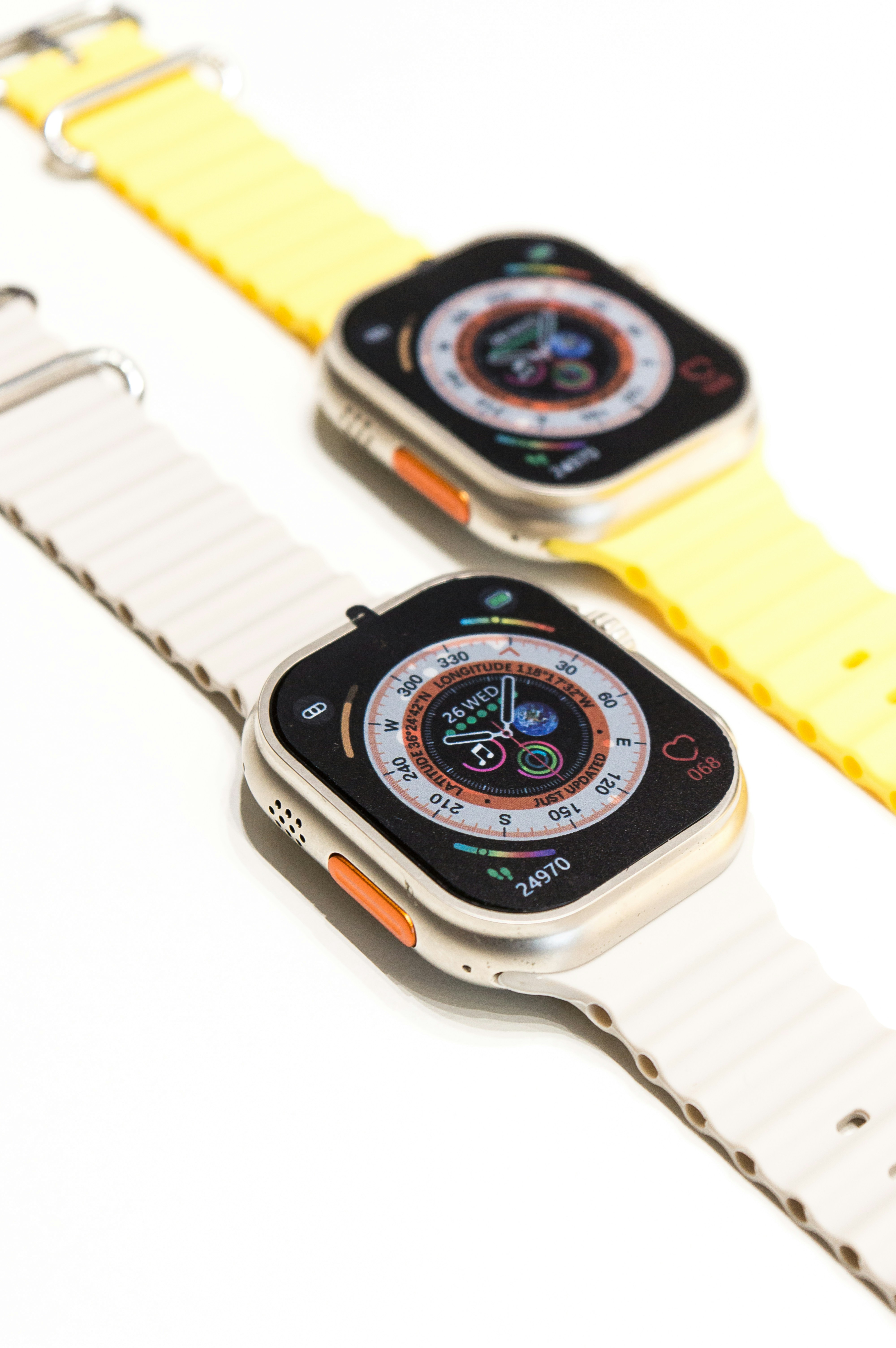
The Galaxy Watch 6 showcases a premium design ethos, characterized by a stainless-steel body that exudes sophistication and durability. This choice of material not only enhances the watch’s aesthetic value but also contributes to its resilience against daily wear and tear. The device is available in various size options, allowing users to select a watch that suits their wrist comfortably. Samsung offers an engaging range of color choices, from classic tones to more vibrant shades, ensuring that there is an option for every personal style. Notably, the bezel is sleek and functional, enabling easy navigation through the watch’s features.
In contrast, the Pixel Watch 2 adopts a more minimalist approach, with a unique blend of aluminum casing and a domed glass display that creates an elegant silhouette. Weighing less than its counterpart, the Pixel Watch 2 appeals to users who prioritize lightweight designs for extended wear. It is also available in an array of color options, further enhancing its tailored fit for various lifestyles. The watch’s overall ergonomic shape ensures comfort, making it suitable for both casual and prolonged usage. Additionally, Google’s emphasis on customization includes diverse band options that allow users to personalize their watches effectively.
When assessing usability, both watches provide intuitive interfaces; however, the choice of materials and overall craftsmanship can influence individual preferences based on lifestyle challenges. Ultimately, the design and build quality of both the Galaxy Watch 6 and the Pixel Watch 2 reflect their brands’ philosophies while offering compelling features for consumers seeking reliable and stylish smartwatches.
Display Features and Performance
The Samsung Galaxy Watch 6 and Google Pixel Watch 2 both boast impressive display features that significantly contribute to their overall performance. The Galaxy Watch 6 features a larger screen size of 1.5 inches, compared to the Pixel Watch 2’s 1.2-inch display. This additional screen real estate can enhance user interaction, particularly when navigating apps and viewing notifications. Furthermore, the resolution on the Galaxy Watch 6 stands at 480 x 480 pixels, delivering crisp and vivid visuals. In contrast, the Pixel Watch 2 offers a resolution of 384 x 384 pixels, which, while still suitable, does not quite match the clarity offered by its Samsung counterpart.
When it comes to the types of displays, the Galaxy Watch 6 employs an AMOLED technology, known for its deep blacks and vibrant colors, enhancing the overall visual experience. In comparison, the Pixel Watch 2 utilizes an OLED display, which also provides bright and consistent colors, though the contrast levels may not be as pronounced as those found in an AMOLED screen. Both watches possess high brightness levels, making them easily viewable in various lighting conditions. However, the Galaxy Watch 6 tends to excel in outdoor visibility, owing to its superior brightness capabilities that allow it to outshine the Pixel Watch 2 when exposed to direct sunlight.
Touch response is another critical aspect of user experience. The Galaxy Watch 6 is reported to have a fast and responsive touch interface, ensuring seamless navigation through its features. Meanwhile, the Pixel Watch 2 also offers a reliable touch response, allowing users to interact easily with its applications. The integration of their respective operating systems contributes to the ease of use for both devices, providing a cohesive and efficient interface. Overall, while both smartwatches offer unique display features and performance, the Galaxy Watch 6 tends to provide a slight edge in terms of visual richness and outdoor functionality.
Health and Fitness Tracking Capabilities
The Galaxy Watch 6 and Pixel Watch 2 are both sophisticated smartwatches that offer a comprehensive suite of health and fitness tracking features tailored to a variety of user needs. Starting with vitals, the Galaxy Watch 6 incorporates heart rate monitoring, sleep analysis, electrocardiogram (ECG) functionality, and blood oxygen saturation (SpO2) tracking. These features are crucial for users looking to keep a close eye on their health metrics, especially for individuals managing chronic conditions. In addition, the watch supports GPS functionality, allowing for accurate distance tracking during outdoor activities such as running, cycling, or hiking.
On the other hand, the Pixel Watch 2 also excels in health and fitness tracking, offering similar features including heart rate monitoring, sleep insights, and ECG capabilities. Additionally, it includes a robust SpO2 sensor, providing users with vital data regarding their respiratory health. The Pixel Watch 2’s GPS functionality is equally effective, giving users precise location tracking during exercise sessions. Furthermore, it uniquely integrates Google’s Fit app, enhancing the watch’s ability to consolidate health data and offer personalized insights, thus improving overall user experience.
Both smartwatches come equipped with a variety of specialized workouts, catering to fitness enthusiasts of all levels. The Galaxy Watch 6 offers a more extensive list of sports modes, whereas the Pixel Watch 2 prioritizes integration with popular workout apps, allowing users to tailor their fitness journeys. The respective companion apps—Samsung Health for the Galaxy Watch 6 and Fit for the Pixel Watch 2—play a pivotal role in enhancing the user experience. These apps enable users to monitor their health metrics effectively, set goals, and adapt their fitness regimes, thus fostering a more proactive approach to personal health management.
Software Ecosystem and Compatibility
When evaluating the Galaxy Watch 6 and Pixel Watch 2, the software platforms that power these devices play a critical role in determining their overall performance and user experience. The Pixel Watch 2 operates on Google’s Wear OS, a platform that continues to evolve, providing users with access to a range of applications, features, and functionalities. In contrast, the Galaxy Watch 6 utilizes Samsung’s customized version of Wear OS, which incorporates additional features tailored specifically for Samsung devices.
The integration with smartphones is a crucial factor when considering smartwatch options. Both the Galaxy Watch 6 and Pixel Watch 2 are primarily designed to work seamlessly with Android smartphones, ensuring that users can receive notifications, manage calls, and utilize various apps efficiently. However, the Galaxy Watch 6 offers enhanced compatibility with Samsung smartphones, providing additional features such as advanced health tracking and seamless integration with Samsung Health. On the other hand, the Pixel Watch 2, while still functional with other Android devices, may not deliver the same level of exclusivity or optimization.
Notification management is another important consideration for users. The Pixel Watch 2’s Wear OS allows for customizable notification settings that can help users filter incoming alerts effectively. Conversely, Samsung’s Wear OS version on the Galaxy Watch 6 provides similar capabilities but includes unique features such as Quick Responses, which can streamline communication directly from the watch interface.
Lastly, customization options and app availability are significant differentiators in the software landscape. While both devices support a wide array of applications from the Google Play Store, the Galaxy Watch 6 stands out with Samsung-exclusive apps that cater to fitness enthusiasts and those deeply integrated into the Samsung ecosystem. Overall, the choice between the two devices may depend on the preferred smartphone brand and the desired level of software integration.