Alexa vs Google Home: A Comprehensive Comparison of Features and Specifications
Introduction to Smart Speakers
In recent years, smart speakers have become an integral part of many modern households, revolutionizing the way users interact with technology. These devices, equipped with voice recognition capabilities and artificial intelligence, allow users to perform a plethora of tasks simply through spoken commands. From controlling smart home devices to retrieving information from the internet, the versatility of smart speakers plays a pivotal role in enhancing the day-to-day experiences of their users.
The evolution of smart speakers has marked a significant leap towards the realization of a fully connected home environment. As we increasingly rely on technology for convenience and efficiency, the adoption of smart speakers is on the rise. This trend is particularly evident with two leading products in the market: Amazon’s Alexa-enabled devices and Google’s Google Home series. Both options are designed to cater to diverse needs, offering unique features and specifications that appeal to a wide range of consumers.
The growing importance of smart speakers can be attributed to their ability to seamlessly integrate with various smart home technologies. They serve as central hubs that facilitate voice-activated controls for lighting, thermostats, security systems, and more. Furthermore, these devices have transformed virtual assistants into valuable companions that streamline tasks, from managing schedules to playing music. With the seamless interoperability of Amazon Alexa and Google Assistant, users are presented with choices that fit their preferences and existing ecosystems.
This blog post aims to provide an in-depth comparison of Alexa and Google Home, highlighting their respective strengths and weaknesses. By exploring the features and specifications of these smart speakers, users can gain crucial insights to help inform their purchasing decisions. Understanding the nuances of each platform will ultimately allow consumers to choose the smart speaker that aligns best with their lifestyle and requirements.
Features Comparison: Alexa vs Google Home
When assessing the features of Alexa and Google Home, one must first consider their voice recognition capabilities. Both devices utilize advanced natural language processing to interpret user commands effectively. Alexa, developed by Amazon, is known for its versatility and extensive third-party integrations, referred to as “Skills.” This feature allows users to customize Alexa’s functionality by integrating various apps and services tailored to individual needs. Conversely, Google Home leverages Google Assistant’s strong search capabilities, enhancing its understanding of context and allowing for more conversational interactions.
Another critical aspect to examine is the smart home integration each platform offers. Both Alexa and Google Home support a myriad of smart home devices, from lights to thermostats. However, Alexa boasts compatibility with over 100,000 smart devices, making it one of the most broadly accepted platforms. Google Home, while featuring fewer integrations, excels in its seamless connectivity with Google’s ecosystem, such as Google Calendar, Gmail, and Google Photos, which may particularly appeal to users already embedded in Google services.
Music streaming options also play a pivotal role in the decision-making process for potential users. Alexa supports numerous music services, including Amazon Music, Spotify, and Apple Music, enabling users to access a wide array of playlists with simple voice commands. On the other hand, Google Home shines with its prowess in audio streaming from YouTube Music and Google Play Music, along with Spotify, giving users extensive choices and intuitive control over their listening experience.
Unique features further differentiate these two smart speakers. For instance, Alexa can perform routines, allowing users to execute a series of commands with a single phrase, while Google Home often utilizes its superior contextual understanding to provide more relevant responses to follow-up queries. Ultimately, understanding these features assists users in selecting the device that aligns closely with their preferences and requirements.
Specifications Breakdown
When comparing Alexa and Google Home, it is essential to examine their technical specifications, as these aspects significantly impact overall performance and user experience. Both devices showcase distinct audio quality, design, size, and connectivity options that cater to different preferences and requirements.
In terms of audio quality, the Alexa-enabled devices, particularly the Echo line, are known for their robust sound, often referred to as rich and full-bodied. They come with various models, such as the Echo Studio, which features a 5.25-inch woofer and Dolby Audio support, enhancing the listening experience with immersive sound. On the other hand, Google Home strives for clarity, with its high-frequency capabilities making for detailed audio reproduction. Google Nest Audio, the successor to the original Google Home, has a 75mm woofer that drives a well-rounded sound profile, making it ideal for various music genres.
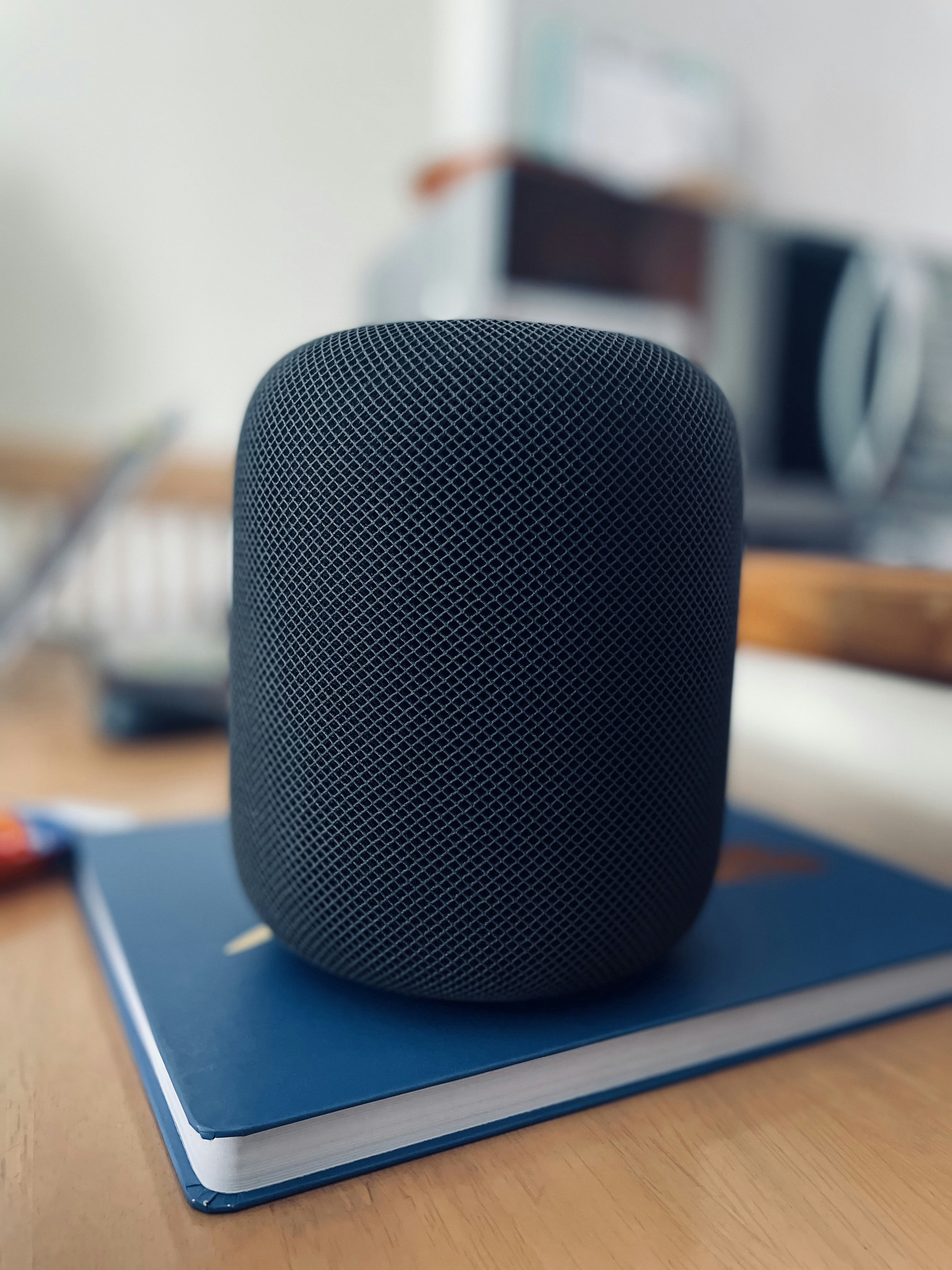
Regarding design, both smart speakers have taken distinct approaches. The Echo devices are typically bulkier with a cylindrical shape, providing a wide selection of colors and finishes to blend with home décor. Google Home, in contrast, showcases a sleek and minimalistic aesthetic, featuring a customizable base that allows users to choose different materials and colors for personalization. Size also contributes to usability; the Echo Dot is compact, making it easy to fit in smaller spaces, while Google Nest Mini is equally portable yet retains an attractive design.
Connectivity options are essential for seamless integration with smart home devices. Alexa supports a wide range of smart home standards and protocols, including Zigbee and Z-Wave, ensuring compatibility with many devices. Google Home relies primarily on Wi-Fi connectivity but supports a variety of devices through Google Assistant’s expansive ecosystem, making it straightforward to operate interconnected smart home technology.
Which One Should You Choose?
When deciding between Alexa and Google Home, it is essential to consider your individual needs, preferences, and existing ecosystem of smart devices. Both smart speakers have unique strengths that cater to different user requirements, and understanding these can facilitate a well-informed decision.
One significant factor to evaluate is budget. The Amazon Echo devices, which house Alexa, generally offer a broader price range, making them accessible to various consumers. Conversely, Google Home products tend to be slightly more expensive but come with a sleek design and seamless integration with Google services. If budget constraints are a primary concern, browsing through the different models available within each ecosystem may provide some clarity on which system fits your financial plan.
Compatibility with existing smart home devices should also play a crucial role in your decision. For instance, if you have a preference for Philips Hue lighting or SmartThings hubs, both platforms offer compatibility; however, Alexa boasts a more extensive list of supported devices. It is wise to examine your current setup and determine which speaker can provide the most seamless integration with your devices, as this can greatly enhance your smart home experience.
Personal preferences and specific features can further influence your choice. If voice recognition and natural language processing are essential to your user experience, Google Home may be the better option, thanks to its advanced Google Assistant capabilities. On the other hand, those who prioritize music streaming through Amazon Music or enjoy a wider selection of third-party skills may lean towards an Alexa-enabled device.
Ultimately, the decision between Alexa and Google Home should hinge on evaluating these various factors, ensuring the chosen device aligns with your lifestyle and smart home aspirations. Each platform has its merits, and a thorough assessment will empower you to select the smart speaker best suited to your requirements.