
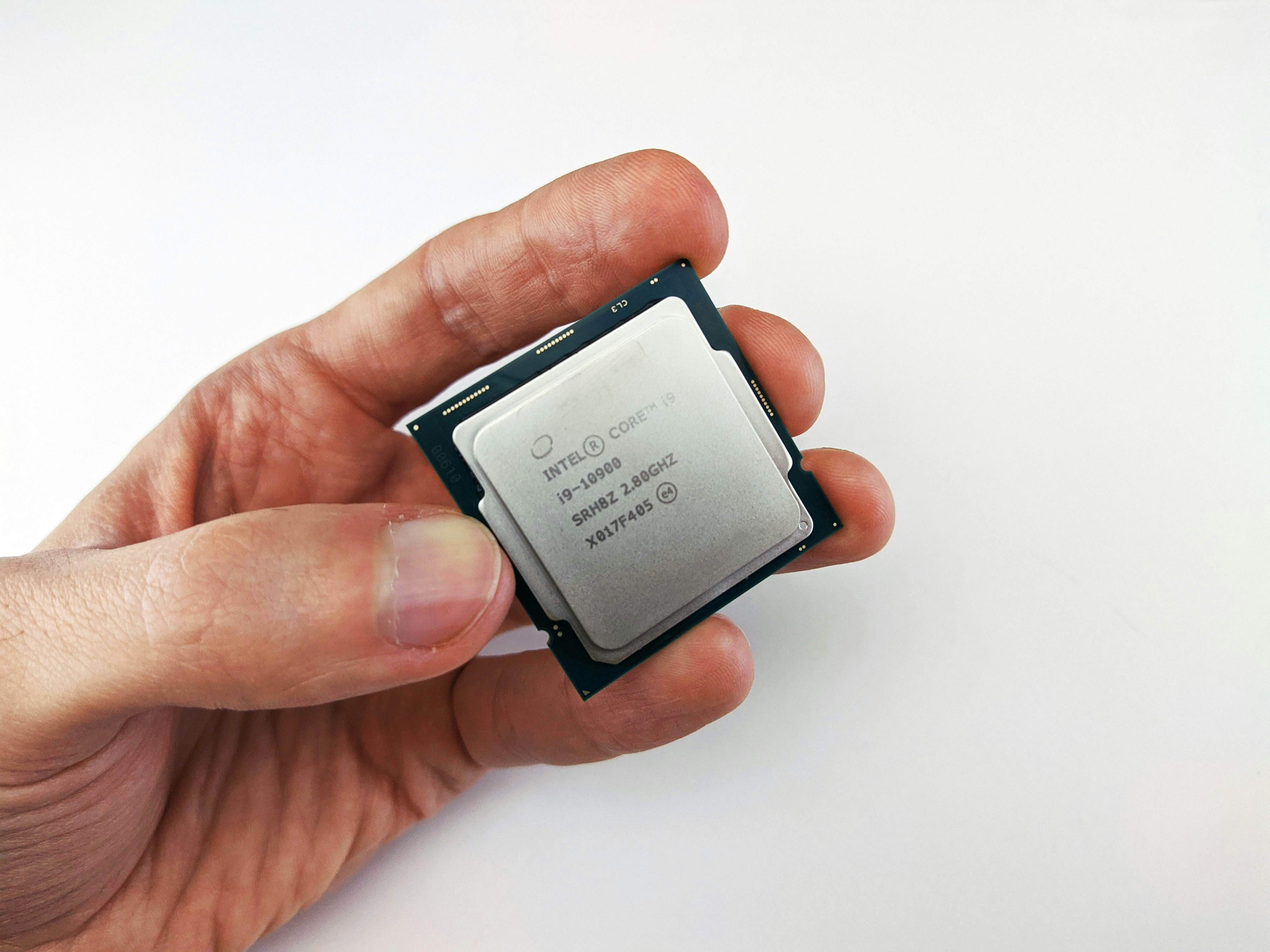
Intel Introduces Speed Shift: The Next Generation of Frequency Control
What is Speed Shift?
Intel’s Speed Shift technology represents a significant advancement in frequency control mechanisms, building upon the foundation laid by its predecessor, Speed Step. While Speed Step facilitated dynamic adjustment of processor frequencies to optimize power consumption and performance, Speed Shift refines this process by providing a more responsive and efficient means of managing CPU performance. This innovative approach enables the processor to adjust its frequency more rapidly in accordance with the changing demands of applications and workloads.
At its core, Speed Shift enhances CPU responsiveness by allowing the processor to take control of its own performance states more effectively. Unlike Speed Step, which relies heavily on the operating system to dictate frequency changes, Speed Shift introduces a hardware-based mechanism that permits quicker transitions to higher or lower frequency states. This shift to a hardware-optimized approach minimizes latency, ensuring that the processor can rapidly adapt to varying performance requirements without the delays often associated with software-controlled adjustments.
Technical specifications reveal that Speed Shift leverages the processor’s ability to reach higher clock speeds more efficiently, thereby improving overall efficiency and reducing power consumption during idle or low-demand periods. The technology allows for finer granularity in power management, enabling the processor to execute higher performance levels when needed while simultaneously conserving energy when the demand is lower. Such capabilities are especially crucial in modern computing devices, where battery life and thermal management are paramount.
Furthermore, Speed Shift is particularly beneficial for mobile devices and laptops, where efficiency directly impacts battery life and performance. By optimizing how frequency changes occur, Intel’s Speed Shift technology ensures not only enhanced performance but also longer operational periods between charges. The introduction of Speed Shift heralds a new era in processor performance management, focusing on responsiveness, efficiency, and adaptability in dynamic computing environments.
Benefits of Speed Shift Over Speed Step
Intel’s introduction of Speed Shift technology represents a significant advancement over its predecessor, Speed Step, primarily in the realms of performance and efficiency. One of the most notable benefits of Speed Shift is its ability to deliver faster response times. Whereas Speed Step relied on a more gradual approach to frequency adjustments, Speed Shift allows processors to alter their frequency in response to workload demands almost instantaneously. This means that users experience a noticeable improvement in system responsiveness, particularly during tasks that require quick bursts of processing power such as gaming or video editing.
In addition to enhanced response times, Speed Shift offers improved power efficiency. By allowing the CPU to optimize its frequency dynamically based on real-time workload requirements, Speed Shift minimizes unnecessary power consumption. This is particularly beneficial in mobile devices, where battery life is critical. The efficient management of power ensures that users can enjoy longer usage times without compromising performance, making it ideal for both casual users and professionals who depend on their devices for extended periods.
Furthermore, Speed Shift improves CPU resource management by enabling better execution of multi-threaded tasks and enhancing overall system performance. With this technology, multi-tasking becomes smoother as frequencies can rapidly adjust to ensure that a system remains responsive even under heavy loads. This translates effectively into varied real-world applications, from gaming scenarios where quick load times are crucial to content creation platforms that demand high performance.
In short, the advantages offered by Speed Shift—such as quicker response times, superior power efficiency, and enhanced CPU management—mark a clear progression from the older Speed Step technology. These improvements make Speed Shift relevant not only for gaming enthusiasts but also for professionals in creative fields and everyday multitasking users, ensuring a richer computing experience across the board.
Technical Implementation and Compatibility
Intel’s Speed Shift technology represents a significant evolution in frequency control mechanisms for processors. Historically, Intel utilized Speed Step, which allowed dynamic adjustments in CPU frequency. However, Speed Shift takes this a step further by enabling the processor to take control over its own frequency adjustments more rapidly and efficiently. This transition necessitates specific hardware and software requirements to ensure compatibility with the new technology.
For users to benefit from Speed Shift, their systems must be equipped with Intel processors that support this feature. Specifically, processors from the Skylake generation onward are designed with the Speed Shift capability. Users are encouraged to check their CPU model against Intel’s official documentation to confirm compatibility. Beyond hardware requirements, updated firmware and BIOS versions are also crucial. These updates often provide the necessary support for Speed Shift and can significantly impact performance.
The implementation of Speed Shift also necessitates collaboration with the operating system. For Windows users, versions starting from Windows 10 have been optimized to take full advantage of Speed Shift technology. Operating system updates will likely include enhancements that leverage the new frequency control capabilities, contributing to reduced power consumption and improved responsiveness, especially in mobile devices. In contrast, users on older operating systems may not experience the full benefits unless they upgrade.
Transitioning from Speed Step to Speed Shift may raise concerns regarding compatibility and performance. Users are advised to back up their systems and ensure that all components meet the necessary requirements before attempting an upgrade. Although most modern systems are designed to facilitate this transition seamlessly, some older hardware configurations may encounter challenges. It is prudent to consider consulting with technical support or professional services when upgrading to ensure a smooth transition to this advanced frequency control system.
Future Implications of Speed Shift Technology
The introduction of Speed Shift technology heralds a transformative era for processor design and performance, potentially redefining the landscape of both consumer and enterprise computing. As Intel continues to innovate, the integration of Speed Shift promises to enhance the responsiveness of processors, allowing them to make real-time adjustments in frequency based on workload demands. This capability will likely lead to significant improvements in energy efficiency, a critical consideration in today’s landscape where power consumption drives design decisions.
With an industry increasingly oriented toward maximizing performance while minimizing resource consumption, Speed Shift technology aligns seamlessly with current trends favoring sustainable computing. By optimizing processor behavior to adapt quickly to varying big and small workloads, manufacturers can expect enhanced overall system performance. This not only improves user experiences through reduced latency and faster processing times but also allows for more effective power management strategies, essential for mobile devices and data centers alike.
Furthermore, as more devices adopt this technology, the foundational approach to processor architecture may shift dramatically. Future Intel generations could see multi-core designs where each core operates with more autonomy, responding dynamically to individual processing needs. Such advancements could pave the way for innovations in artificial intelligence, machine learning, and other advanced computing tasks that rely on quick response times and efficient resource allocation.
In addition to affecting design strategies, the implications of Speed Shift technology may extend to the software development sphere. Software optimizations tailored to leverage these new capabilities could emerge, leading to a new class of applications that fully exploit the rapid frequency adjustments made possible by Speed Shift. Overall, the long-term ramifications of this technology are poised to significantly influence how we perceive efficiency and performance in computing, ultimately shaping user experiences for the better.