
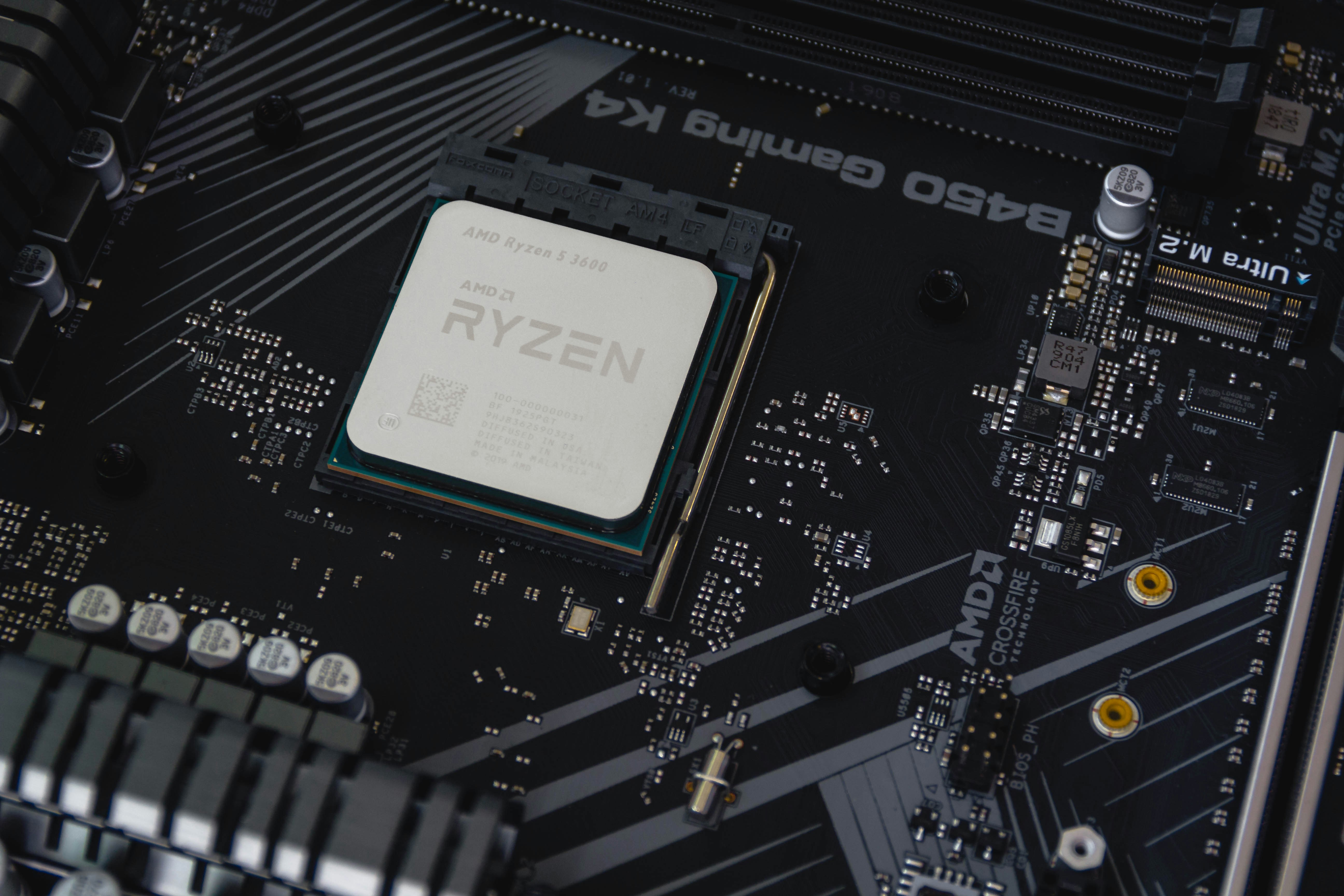
CES 2025: AMD Unveils New Ryzen 9 Processors with 3D V-Cache and Ryzen AI
Introduction to AMD’s New Ryzen 9 Processors
At CES 2025, AMD has made a significant announcement by unveiling its latest Ryzen 9 processors, equipped with cutting-edge 3D V-Cache technology and advanced Ryzen AI capabilities. This launch marks a pivotal moment for AMD as it seeks to enhance its competitive edge in the processor market. The introduction of these new Ryzen 9 processors represents a major advancement over previous versions, promising increased performance and efficiency tailored to the demands of both gaming and professional applications.
The integration of 3D V-Cache technology is particularly noteworthy. This innovation allows AMD to stack additional cache memory vertically, effectively increasing the amount of cache available to the processors. By doing so, the Ryzen 9 processors can achieve higher data throughput and improved latency, translating to faster processing speeds in real-world applications. This technology is set to redefine performance benchmarks in the industry and position AMD as a leader in processor design.
Furthermore, the incorporation of Ryzen AI into these processors demonstrates AMD’s commitment to harnessing artificial intelligence to enhance user experiences. By leveraging AI capabilities, the Ryzen 9 processors aim to deliver smarter performance optimizations that adapt dynamically to varying workloads, thereby maximizing efficiency. This strategic integration of AI not only distinguishes AMD’s processors from its competitors but also reflects a broader trend towards more intelligent computing solutions in the tech landscape.
As the market anticipates the rollout of these new processors, there is a collective curiosity regarding their impact. With AMD’s innovative solutions and a clear vision for the future, the Ryzen 9 processors are poised to reshape user expectations in both consumer and professional sectors. This launch underscores AMD’s overarching strategy to prioritize technological advancements while responding to the evolving needs of the market.
Key Features of the Ryzen 9 Processors
The newly unveiled Ryzen 9 processors by AMD at CES 2025 represent a significant leap in CPU technology, primarily through the incorporation of cutting-edge 3D V-Cache technology. Historically, cache memory has been pivotal in boosting processor performance, acting as a high-speed intermediary between the CPU and the main memory. The 3D V-Cache employs a stacking technique that allows AMD to add additional cache layers directly on top of the processor die, which increases the amount of accessible cache dramatically.
This innovative approach yields substantial performance enhancements. The expanded cache size means that more data can be stored closer to the CPU cores, which significantly reduces latency and improves data access speeds. These attributes are especially crucial in gaming and productivity scenarios where high data throughput is essential. Benchmarks indicate that the Ryzen 9 processors equipped with 3D V-Cache offer up to 15% better performance in gaming compared to their predecessors, setting a new standard for high-performance gaming CPUs.
Moreover, the integration of Ryzen AI technology provides an additional layer of performance optimization. This feature leverages machine learning algorithms to analyze workloads and dynamically allocate resources in real-time, ensuring that applications run more efficiently. The synergy between 3D V-Cache and Ryzen AI not only enhances overall system responsiveness but also makes the new processors highly capable for multitasking and demanding applications such as video editing and content creation.
When compared with competitors’ technologies, the Ryzen 9 processors with their unique features illustrate AMD’s commitment to innovation and performance. The capacity for richer cache configurations gives AMD a competitive edge, particularly in scenarios where rapid data processing is crucial. The fusion of enhanced caching techniques with AI-driven performance management establishes a new benchmark that rivals may find challenging to match.
The Role of Ryzen AI in Enhancing Performance
The integration of Ryzen AI within the new Ryzen 9 processors marks a significant advancement in processor technology, focusing on enhancing performance across various computing tasks. Ryzen AI utilizes advanced machine learning algorithms to optimize user interactions and performance management, making it a pivotal feature in the next generation of computing. By leveraging AI functionality, the processors can intelligently allocate resources, ensuring optimal performance during high-demand tasks.
One of the most notable applications of Ryzen AI is in the realm of gaming. AI-powered features can analyze in-game events in real time, adjusting performance parameters such as frame rates and graphics settings based on the user’s hardware capabilities and preferences. This not only creates a smoother gaming experience but also significantly reduces latency, allowing gamers to enjoy a responsive gameplay environment without compromising visual quality.
In content creation, Ryzen AI facilitates streamlined workflows, enabling creators to enhance productivity. For instance, video editing software can utilize AI-assisted rendering to accelerate the editing process, providing faster previews and optimizations for exports. Additionally, AI can recommend efficient editing techniques based on previous user behavior, streamlining the creative process for individuals and teams alike.
Beyond gaming and content creation, Ryzen AI serves to elevate performance in a variety of high-demand tasks, including data analysis and simulation. The AI capabilities allow for predictive analytics, where workloads can be anticipated and adjusted accordingly to improve efficiency. This ensures that users are equipped with the necessary tools to tackle increasingly complex and resource-intensive applications.
In essence, the incorporation of Ryzen AI represents a holistic approach towards performance enhancement, optimizing various computing experiences by adapting to user needs and preferences. With its advanced capabilities, Ryzen AI stands to redefine how processors can support complex tasks in gaming, content creation, and beyond.
Impact on the Industry and Future Prospects
The unveiling of AMD’s new Ryzen 9 processors featuring 3D V-Cache and Ryzen AI at CES 2025 is poised to significantly alter the competitive landscape within the tech industry. By integrating advanced 3D packaging technology, AMD enhances performance metrics, signifying a strategic move that positions the company to directly challenge its key competitors, particularly Intel. The introduction of these innovative processors could lead to a shift in market share as consumers and professionals alike seek superior computing power and efficiency.
As consumers increasingly prioritize performance in both personal computing and professional settings, AMD’s advancements may not only satisfy current demands but also stimulate new market segments. The Ryzen AI component grants chipsets intelligent processing capabilities, promising a transformative experience that could redefine user interaction with technology. The implications of this development extend well beyond consumer products; they potentially influence server, enterprise solutions, and high-performance computing applications as well.
Furthermore, AMD’s forward-thinking initiatives may catalyze innovation across the industry. Competitors may respond with enhanced offerings, thereby accelerating advancements in processor technology. This possible escalation of competition could favor consumers, as it often results in better performance at competitive prices. Industry analysts suggest that further investment in R&D by AMD, combined with the successful rollout of these processors, could solidify its position as a market leader amid a rapidly evolving technological landscape.
Looking ahead, the potential for AMD to maintain its competitive edge lies in its ability to leverage emerging trends in artificial intelligence, machine learning, and increased parallel processing demands. The advancements witnessed at CES 2025 indicate a bright future not only for AMD but for the entire tech industry as it navigates the ongoing evolution of processor capabilities and consumer expectations.