
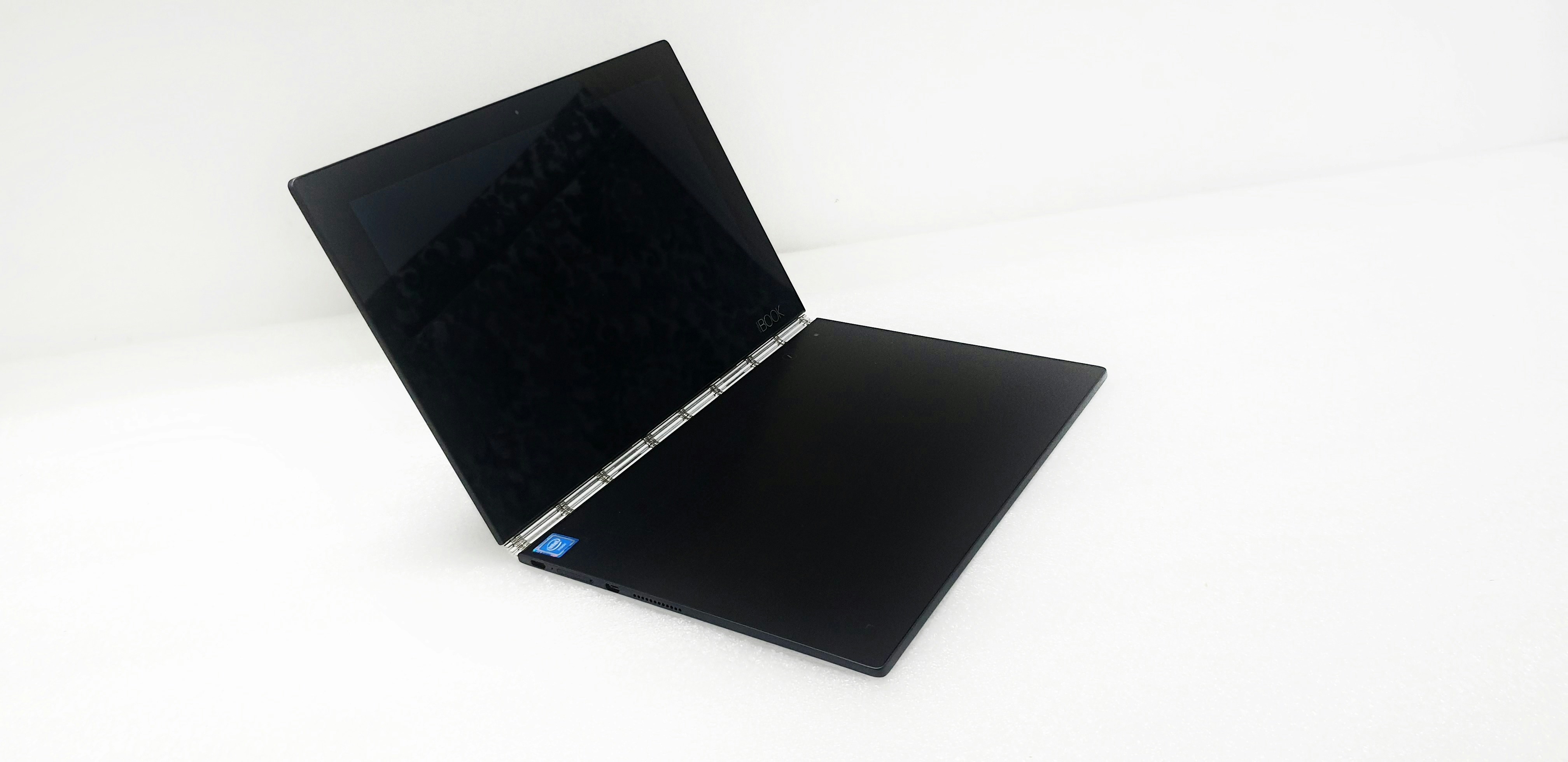
Lenovo ThinkBook Plus Gen 6 Rollable: The Rollable Laptop Revolutionizes the Market
Introduction to the Lenovo ThinkBook Plus Gen 6
The Lenovo ThinkBook Plus Gen 6 represents a significant leap forward in laptop design and functionality, particularly through its unique rollable screen technology. This innovative feature enables the display to expand and contract, offering users versatile screen real estate suitable for various tasks. In an era where user experience and adaptability are paramount, Lenovo’s rollable laptop sets a new standard against traditional models that maintain fixed display sizes. The rollable functionality not only enhances portability but also creates new potential use cases, from multitasking to immersive media consumption.
As a key player in the competitive landscape of modern computing, Lenovo has consistently pushed the boundaries of laptop technology. The ThinkBook Plus Gen 6 boasts a sleek aesthetic, premium materials, and a focus on productivity. It integrates seamlessly with smart features, such as AI-powered applications that cater to the needs of professionals and everyday users alike. The integration of rollable screen technology is particularly noteworthy, as it challenges the conventional norms of laptop design, positioning Lenovo at the forefront of innovation in a saturated market.
When comparing the ThinkBook Plus Gen 6 to traditional laptops, it is clear that this device offers superior adaptability. Models with fixed displays limit how users can engage with their devices, while the rollable concept presents an opportunity to innovate how content is consumed and interacted with. Additional comparisons with other innovative designs, such as foldable laptops, highlight Lenovo’s commitment to leading the charge in advanced technology and design. In this context, the Lenovo ThinkBook Plus Gen 6 not only redefines the functionalities associated with laptops but also sets a benchmark for future developments in portable computing.
Innovative Rollable Display Technology
The Lenovo ThinkBook Plus Gen 6 introduces an innovative rollable display technology that redefines conventional laptop design. At the core of this advancement is a flexible OLED screen, which can seamlessly transition from a compact form to a larger display area by rolling or unrolling. This engineering feat is made possible by a sophisticated mechanism that ensures durability and functionality, addressing previous limitations associated with flexible screens. The key advantage of using a rollable display lies in its versatility; users can enjoy a traditional laptop setup for typing while easily expanding the screen for tasks such as video editing or presentations.
One of the primary benefits of this rollable screen is its capacity for multitasking. By allowing users to increase the display size at will, the ThinkBook Plus Gen 6 enhances productivity, enabling simultaneous viewing of multiple applications. For example, a user could have their email open on the smaller display while utilizing the expanded view for video calls or content creation. This adaptability significantly improves the overall user experience, as it accommodates various work preferences and environments while maintaining a sleek and portable design.
However, engineering a rollable display comes with its own set of challenges. Engineers must ensure that the screen’s mechanisms withstand repeated use without compromising image quality or structural integrity. Innovations in materials and design are essential to address concerns regarding wear and tear, ensuring that the device not only meets aesthetic expectations but also performs reliably over time. The successful implementation of rollable display technology in the Lenovo ThinkBook Plus Gen 6 showcases a major leap in laptop functionality, setting a new standard for the industry with implications that extend beyond personal computing into fields such as education, business, and creative industries.
Impact on User Experience and Productivity
The introduction of the Lenovo ThinkBook Plus Gen 6 Rollable marks a significant leap in how users interact with laptops, ultimately enhancing their experience and productivity. This innovative device features a flexible screen that can be extended or retracted, thereby adapting to the user’s requirements. For instance, creative professionals, such as graphic designers and video editors, often require additional screen real estate for their designs. The rollable screen empowers them with the ability to expand their workspace without necessitating multiple monitors, allowing for a more streamlined and focused workflow.
In office settings, productivity levels can soar as users can adjust the screen size to meet specific tasks. During video conferences, the flexibility of the ThinkBook Plus Gen 6 Rollable can facilitate engaging presentations by providing a larger display for visual content. Users have found that the ability to transition from a compact mode to an expansive view via simple gestures enhances their interaction with the device, ultimately minimizing disruptions during critical tasks.
The integration of this rollable technology has garnered positive feedback from early adopters, with many noting how the adaptable nature of the laptop aligns perfectly with their dynamic work environments. Testimonials from various users highlight a newfound ease in multitasking, as they can manipulate the screen to better accommodate their tasks, whether that be drafting documents, editing videos, or designing graphics. Furthermore, experts in productivity and ergonomics have emphasized that such adaptable devices cater effectively to the diverse, evolving needs of both professionals and casual users, making the Lenovo ThinkBook Plus Gen 6 Rollable a pivotal innovation in enhancing user experience.
Future Prospects and Market Implications
The introduction of the Lenovo ThinkBook Plus Gen 6 Rollable signifies a pivotal development within the laptop market, emphasizing the potential of rollable technology. This innovative approach not only enhances portability but also expands the screen real estate available for users. As technology continues to evolve, the rollable design may lead to new trends in the laptop industry, reshaping how devices are conceptualized and utilized. Other manufacturers are likely to respond with their versions of rollable or flexible screen technology, intensifying competition and pushing the boundaries of design and function.
Furthermore, the success of the Lenovo ThinkBook Plus Gen 6 may serve as a catalyst for significant advancements in display technology. Brands investing in research and development are expected to explore improved materials that enhance durability while maintaining flexibility. This could potentially usher in a new era of lightweight yet robust devices that cater to a diverse array of consumer needs, from gaming to professional multitasking environments. The integration of OLED screens or microLED technology could further heighten visual quality, providing a richer user experience.
Consumer adoption of rollable laptops like the Lenovo ThinkBook Plus Gen 6 will play a critical role in determining the future direction of laptops and mobile computing devices. As users become more accustomed to versatile screen configurations, they might prioritize products equipped with innovative displays, healthcare solutions, and enhanced usability features. This shift in consumer preferences could ultimately establish a new standard in the market, encouraging other companies to incorporate adaptable technology into their offerings. The path forward appears promising, suggesting that rollable technology may redefine what is possible in portable computing.
